5 of the Best IFS Therapists in San Francisco
Tired of feeling anxious, doubting yourself and having your inner critic running the show? Maybe you struggle with the aftermath of trauma, or simply want to find a way to better navigate day-to-day stress and overwhelm. Enter Internal Family Systems (IFS) therapy! This innovative approach goes beyond traditional talk therapy to support you in finding the deeper, more foundational change.
Understand and transform the different internal parts within you that fuel challenging emotions and limiting beliefs,
Heal childhood trauma
Reconnect with the "8 C's": calm, confidence, clarity, creativity, courage, compassion, curiosity and connectedness - qualities of your true self!
As an online IFS therapy San Francisco specialist, I offer a safe, affirming and inclusive space for deep, root-level healing:
Over 10+ years of combined experience in anxiety, trauma, and self-esteem depth psychotherapy, serving clients throughout California with confidential, convenient online sessions
Specialized training in multiple evidence-based modalities including Internal Family Systems, EMDR, Brainspotting, somatic-informed work, Flash Technique and Emotional Freedom Techniques
Profound healing + practical tools - Tend to core emotional wounds and learn proven coping skills for navigating real-world triggers.
Trauma-focused and gentle-yet-effective style that facilitates meaningful change, without overwhelm and re-traumatization
Inclusive, social justice-lens that affirms your lived experience and calls out the harm and oppression that contributes to distress and trauma.


Meet Elisa Martínez, LMFT
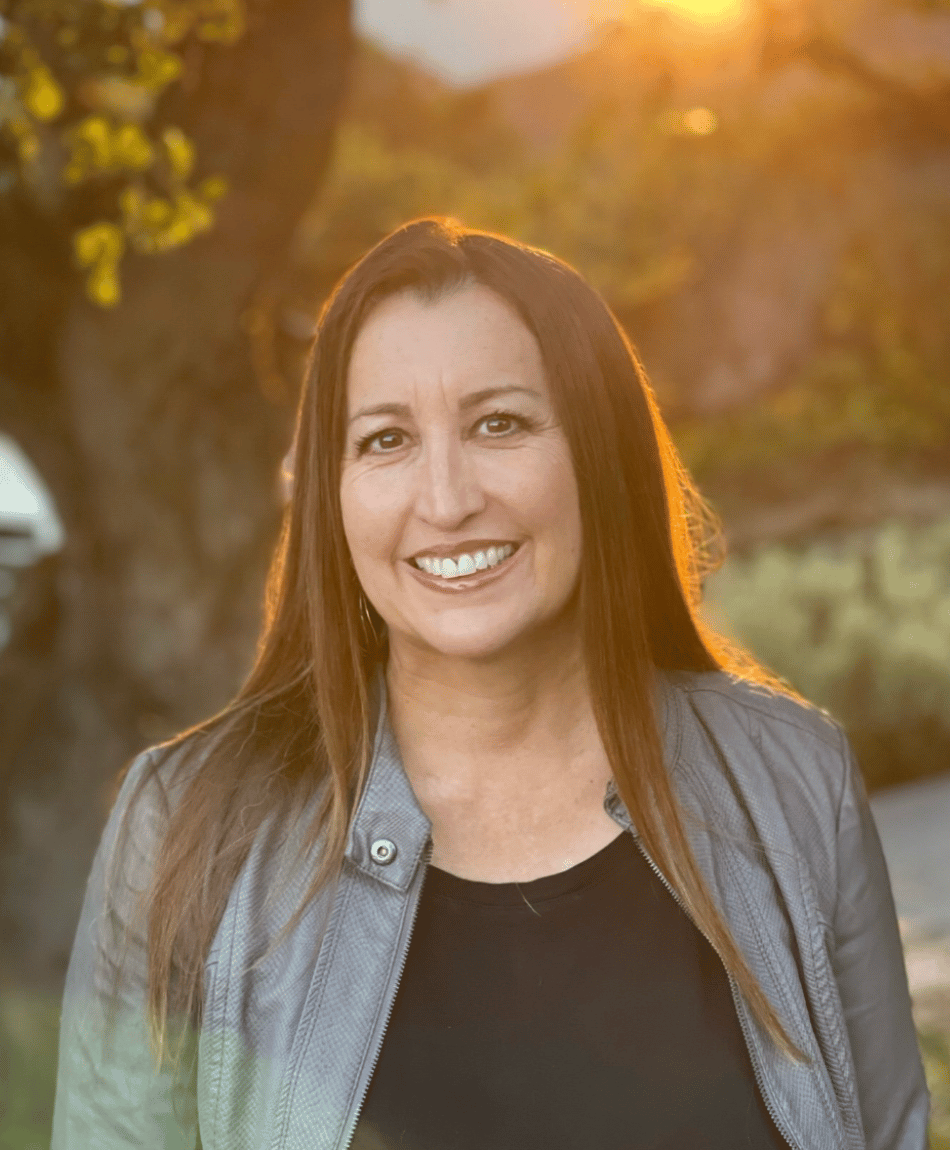
IFS therapist serving San Francisco
I offer deeply personalized, impactful IFS therapy for people of diverse backgrounds who struggle with chronic worry, the "inner critic, feeling unsure of themselves, burnout and trauma. As a human caring for my own trauma history, I've walked this path myself. My ongoing healing process inspires me to help others find relief from the pain of worried overthinking, soul-numbing depression and unresolved trauma.
I'm officially IFS Institute-trained, receive my own IFS therapy and ongoing, expert mentorship and training. My lived, firsthand experience with Internal Family Systems therapy helps me bring my most grounded, compassionate presence to my clients and more effectively guide them towards change that actually sticks. Learn more about me and my story.
AS FEATURED IN


My approach to IFS therapy
I've been described as warm, non-judgmental, and validating of the unique lived experiences of those I support. I absolutely love the depth and power of Internal Family Systems therapy, having directly experienced and applied the IFS model for years.
But psychotherapy isn't one size fits all, so my approach is highly personalized, not prescriptive. I'm able to creatively interweave other therapeutic modalities into the IFS process - including Brainspotting, Eye Movement Desensitization and Reprocessing (EMDR), Exposure and Response Prevention (or ERP, helpful for OCD), Flash Technique, Emotional Freedom Techniques and mindfulness-based and somatic-informed work - each an evidence-based psychotherapy in their own right!
Bottom line: Adapting psychotherapy to your individual needs, strengths and goals ensures that counseling will be uniquely tailored to your personality, challenges and hopes. If you're ready to experience sustainable healing and a deep connection with your authentic self...let's talk.
How to get started
Starting counseling can feel daunting! Here are some pain-free options for testing the waters to see if I might be a good fit for you:
Door #1: Connect via my contact form
You can reach out from anywhere on my website to let me know how you'd like me to contact you, or
Door #2: Schedule a free consultation
Hop on a call and let's chat! I'll answer your questions, learn more about what you'd like support with, and share about how I can help with your particular concerns.
Door #3: Call or text me
I'm at (831)387-7657. I'll get back to you promptly!
Common reasons why people start IFS therapy
When another practice might be a better fit for your needs
While IFS therapy is highly applicable to a wide range of concerns and challenges, here are some circumstances in which you may wish to consider working with someone else (I'm happy to provide referrals!):
You're Looking For a "Quick Fix"
If you want to avoid exploring your emotions and are expecting immediate solutions to complex challenges, Internal Family Systems therapy may not be a fit. The deeper, enduring change offered by IFS therapy involves a willingness to go within—safely and with support—to develop healthier relationships with your inner parts, allowing unresolved emotional wounding and trauma to be processed and healed.
Mental Health Conditions Requiring Specialized Care
Experiences such as schizophrenia, psychosis, and dissociative identity disorder are best supported by clinicians with specialized training. Parts-based psychotherapy can still be helpful in these contexts, but it’s important that it be provided by clinicians with appropriate experience with these conditions.
Eating Disorders
While parts-based psychotherapy can be super supportive for those living with anorexia, bulimia, avoidant/restrictive food intake (ARFID), binge-eating, etc., eating disorders are also outside of my professional scope of clinical expertise.
Active Suicidal Ideation
For safety reasons, I recommend immediate, in-person support if you are at risk of committing suicide. This level of crisis requires more comprehensive safety planning and crisis intervention services than I offer in my virtual practice.
5 highly recommended IFS therapists serving San Francisco
Finding the "right fit" therapist isn't always easy. If you live in the Bay Area (or anywhere in California), here are some other IFS and IFS-informed clinicians who I recommend!
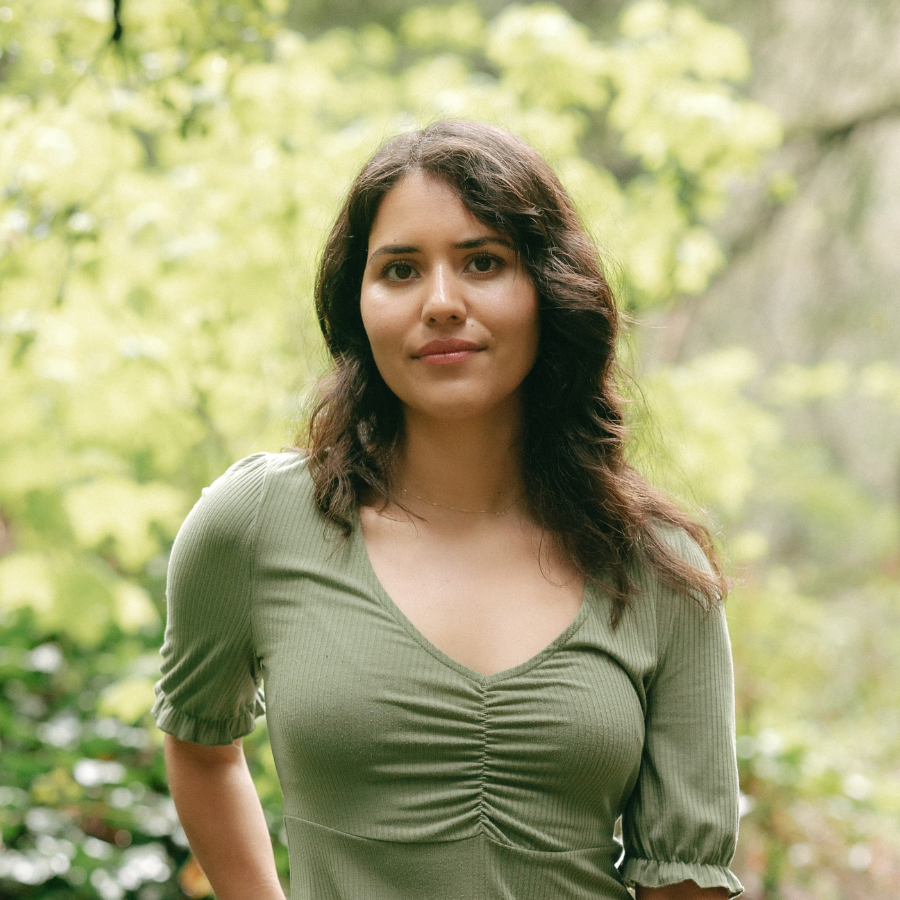
1. Imuri Pacheco, LMFT
Imuri's deep listening and attunement to her clients' inner wisdom create a space where sensitive and neurodivergent adults and teens can feel truly seen and supported. She integrates Internal Family Systems therapy, somatic/sensory awareness, and a depth-oriented relational approach to guide clients through anxiety, complex trauma, relational conflict, imposter syndrome and identity exploration. Her culturally-sensitive, collaborative and affirming approach helps clients move towards clarity, inner alignment and grounded trust in themselves.
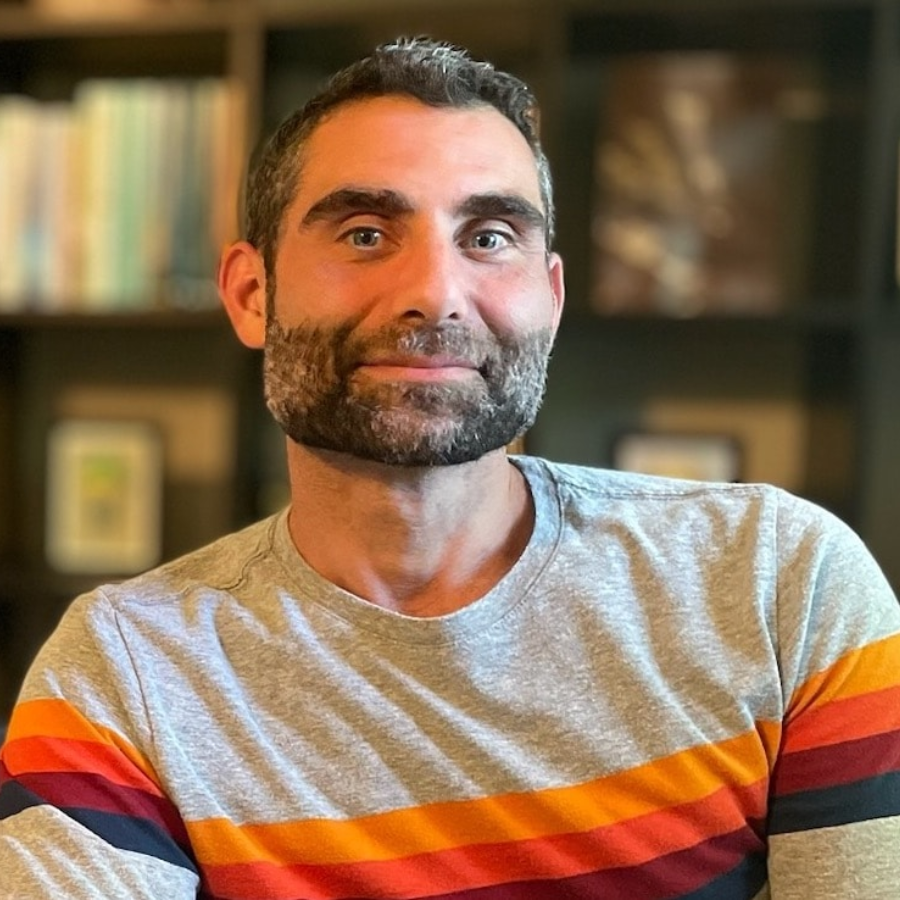
2. Max Littman, LCSW
As an IFS-trained therapist and consultant in the Bay Area, Max works primarily with gay and queer men, other psychotherapists, and individuals navigating trauma, identity, intimacy, and self-worth. He blends depth, humor, somatic awareness, and parts work to help people access healing that feels both soulful and grounded. Max's goal is always to create a space where every part feels welcome. He also offers consultation for therapists wanting to deepen their attunement, presence, and relational fluency.
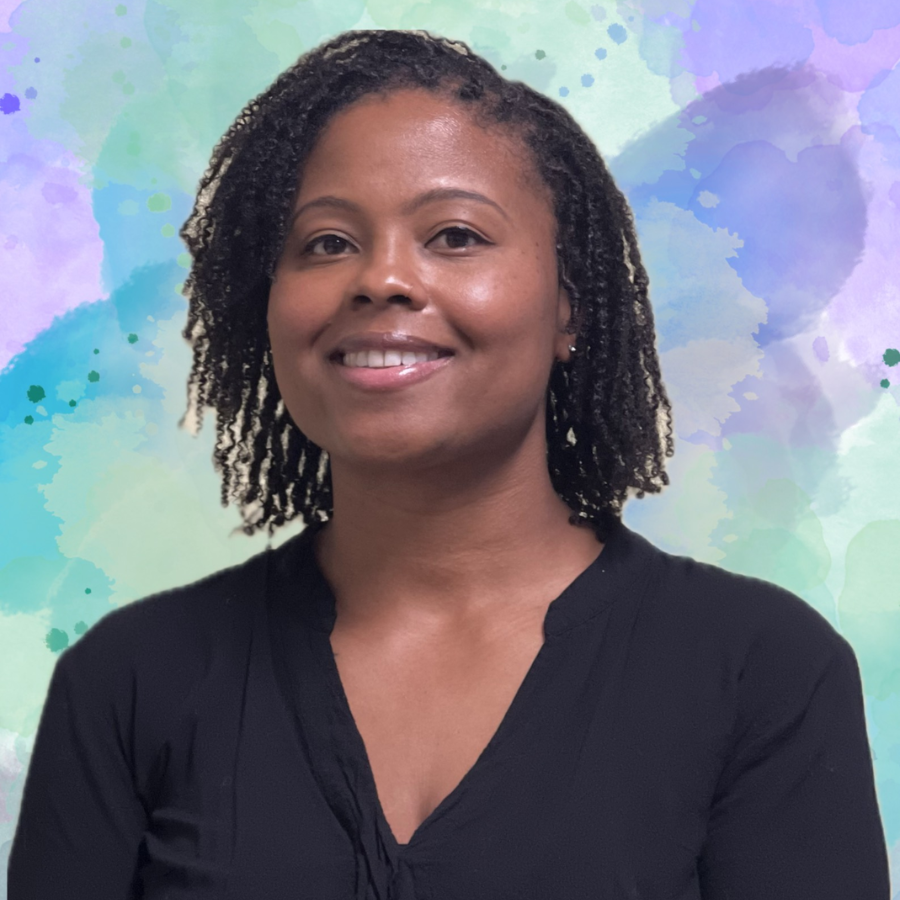
3. Nia Meadors, LCSW
Nia specializes in trauma-informed care using IFS-informed psychotherapy, DBT, EMDR, Brainspotting, and somatic approaches for adults seeking recovery, self-acceptance, and resilience in the face of life’s challenges. Her practice centers individuals navigating complex trauma, including those impacted by systems of oppression, family dynamics, and cultural identity stressors. The therapeutic support she provides allows clients to recognize the strength of their internal "protector parts", reconnect with their "exiled parts" (those parts of the psyche holding deep emotional wounding), and access their innate capacity for healing.
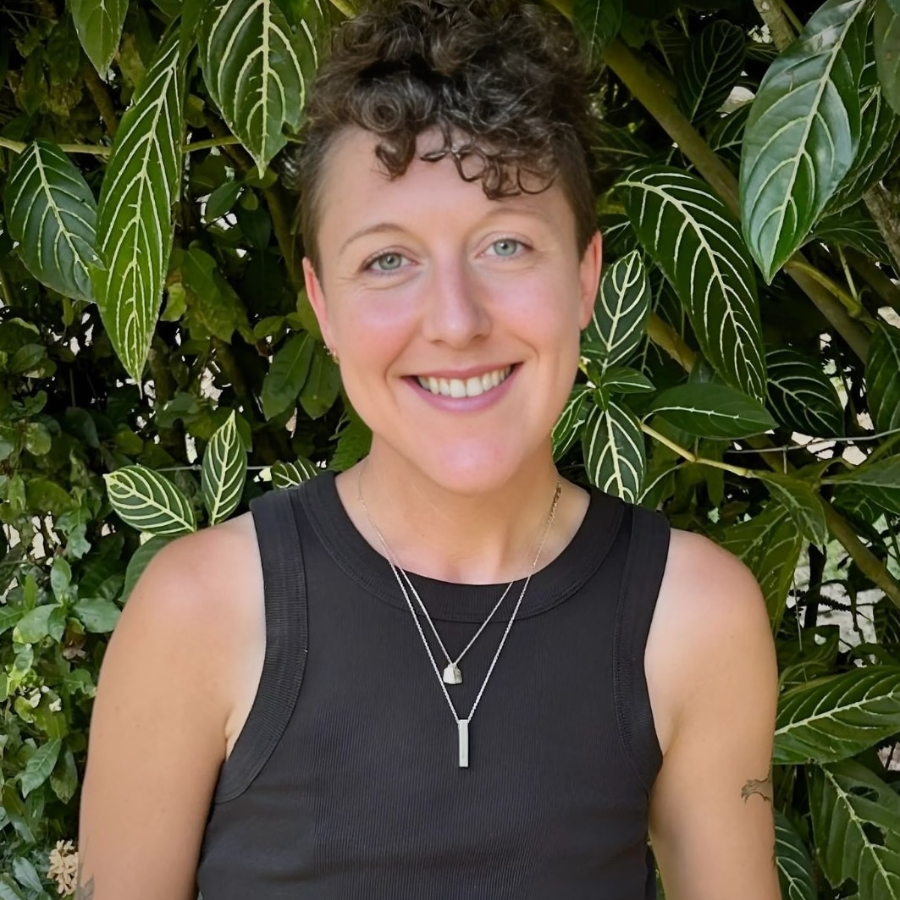
4. Eula Lys Dunkin, LMFT
As a trans, nonbinary therapist, Eula embraces a radical, liberatory lens celebrating trans, gender-expansive, queer, poly, kinky folx, and the 2SLGBTQIA+ community. They support those navigating gender affirming care, seeking ways to access gender joy, looking for a place to explore their identities, navigating dysphoria or being in a gender-expansive body during the current political climate. Recognizing psychotherapy's colonial lineage and appropriation of indigenous practices, their collaborative approach prioritizes and honors clients' humanity and cultural/relational needs while incorporating IFS- informed psychotherapy, Relational Somatic Healing, and somatic psychotherapy.

5. Nathalie Servin, LCSW
Nathalie is a curious and compassionate IFS therapist who enjoys blending science-backed approaches with alternative therapeutic tools to honor the mind-body-soul connection. Her specialties include anxiety, trauma, and working with BIPOC – especially those experiencing sociopolitical distress due to current events. Her intention is to help clients settle their nervous system and heal from traumatic events so that they can trust more and fear less as they take imperfect action towards creating the life they desire. In addition to IFS, trained in Coherence Therapy, Accelerated Resolution Therapy, ACT, and DBT.
FAQs about IFS
-
IFS therapy, developed by psychologist Richard Schwartz, is based on the idea that we all have different 'parts' within our psyche (sub-personalities, if you will). You might have a harsh inner judge, an anxious perfectionist, a people pleaser, and so on. These sub-personalities can take on extreme and distressing emotions, thoughts and behaviors as a result of childhood trauma or painful life experiences.
Unlike traditional talk therapy, in IFS therapy your therapist helps you build healthy relationships with your parts. This paves the way for deep healing of the parts that carry "burdens": old - even subconscious - emotional wounds and beliefs that no longer serve your current life. Examples of burdens might include the belief "I'm not good enough"..."I have to be perfect or I'll be rejected"..."something bad will happen if I let my guard down"..."I'm responsible for other people's feelings"...and so on. The IFS therapy process helps us release and find freedom from these burdensome beliefs.
Above all, IFS therapy helps you reconnect with your core Self - the "you" that is underneath all of the emotional distress, inner turmoil, painful belief and unhelpful behavior patterns. This Self is your calm, confident, compassionate center, grounded in an inner wisdom that is inherent in all human beings. In IFS therapy we explore and practice accessing the Self, a process of liberating self-discovery that allows you to live with more agency and freedom - what we call true "Self-leadership".
-
Like any therapeutic approach, Internal Family Systems therapy may not be the best fit for everyone at every moment. If you are in an acute mental health crisis, feel extremely overwhelmed or have difficulty functioning, having access to highly structured support and learning coping skills can be an important adjunct to IFS therapy.
Naturally, working therapeutically with our wounded parts and unresolved trauma can feel emotionally activating. Safely accessing these emotions in a non-traumatizing way is a very important part of the therapeutic process. A trauma-informed IFS psychotherapist will know how to skillfully facilitate what we call "trauma re-processing" in a non-overwhelming way.
This innovative approach takes time to unfold naturally. While you may experience significant relief and shifting within a single session or week-to-week, it is a highly-individualized, nuanced process that bears its precious fruit over time and acknowledges the complexity of your unique human experience. The saying "by going slow, we go fast" means that true, lasting change happens when we give the parts of your internal system the time and space they need to be witnessed and healed.
If you're exploring Internal Family Systems therapy San Francisco practitioners provide and want to know if this approach might be a fit for you, feel free to reach out to schedule a free consultation!
-
Growing research shows that Internal Family Systems therapy offers promising results for many mental health challenges. One pilot study found that 92% of PTSD participants no longer met the diagnostic criteria at one-month follow-up after treatment - very encouraging for trauma survivors!
Another study found that a combination of group and individual online IFS therapy helped reducedthe severity of symptoms for those with PTSD and substance abuse disorders. SAMHSA (Substance Abuse and Mental Health Services Administration) officially recognizes IFS as an evidence-based practice, rating it effective for general well-being and promising for anxiety, depression, and physical health conditions.
In my work, I’ve witnessed people develop real compassion for themselves and a kinder way of meeting their own feelings. They start showing up differently in relationships and in life—less pulled under by old patterns and steadier in how they handle what comes their way. The things that used to stir up a storm don’t hit with the same force anymore, and they feel stronger, more grounded and resilient.
Personally, IFS has been a crucial part of my own healing process and development as a psychotherapist. As I safely connect with my own internal parts, I feel lighter, more expansive and at ease. That said, it's important to keep in mind that the "success" of psychotherapy depends on many factors: your readiness for psychotherapy, the fit between you and your therapist and life circumstances which naturally impact your overall healing process.
Start IFS therapy in San Francisco today
As an IFS therapist San Francisco and California residents trust, I offer highly-individualized IFS therapy to gently address anxiety, overthinking, feelings of unworthiness, the inner critic, and unresolved trauma, including childhood trauma. As we safely explore your inner world and work with the different parts of you that need support, the true "you" can naturally surface, helping you live with more authenticity, freedom and ease.
My approach is warm, non-judgmental and deeply respectful of all your parts. I have a deep love for this work, and my goal is to bring the best that IFS therapy has to offer to your individualized therapeutic process.
If you're ready to learn more about what this transformative approach can do for you, please reach out to see if I might be a fit for you! I wish you well on your healing journey.