
5 of the Best IFS Therapists in San Diego
Meet every part of yourself with compassion through IFS therapy
Internal Family Systems therapy offers a truly innovative approach to healing that honors the unique complexity of your inner world. If you're searching for "IFS therapy San Diego" to find the right psychotherapist, this guide will help you understand how Internal Family Systems can transform your relationship with difficult emotions, past trauma, and life's challenges.
Hi, I'm Elisa Martínez (she/her). A little about me:
I've been doing this work for almost 15 years, and genuinely feel called to help people untangle past trauma, relieve anxiety, calm the "inner critic," and connect with real peace and authenticity.
I practice what I preach. I invest time, money and energy into my own personal Internal Family Systems therapy, mentorship and training. I truly, 110% believe your therapy will be better when your own psychotherapist is "doing the work" themselves!
My training and experience goes deep. Internal Family Systems, somatic therapy, and trauma-informed care aren't just buzzwords to me - these are the waters I swim in.
Anxious thinkers, sensitive feelers, insecure achievers and burned-out doers - welcome! Whether you struggle with low self-esteem, anxiety, burnout, navigating life transitions or just feeling stuck, I'll meet you exactly where you're at - without judgment and assumptions.
I can blend IFS with other powerful evidence-based psychotherapies - Brainspotting, EMDR, Flash Technique and much more. Sometimes your healing needs different tools for different parts of you!
My small, limited-opening specialist practice means you get to work with a therapist who has the bandwidth to focus on you.
I switched exclusively to online therapy 5 years ago and am continually amazed at the healing and change that can take place whether we're in the same room or 300 miles apart. Compassionate and effective care from the comfort of your own space...zero commute...PJs welcome!
It is my honor to be an IFS therapist San Diego clients trust with their personal growth and healing process. I'd love to hear from you!


Meet Elisa Martínez, LMFT
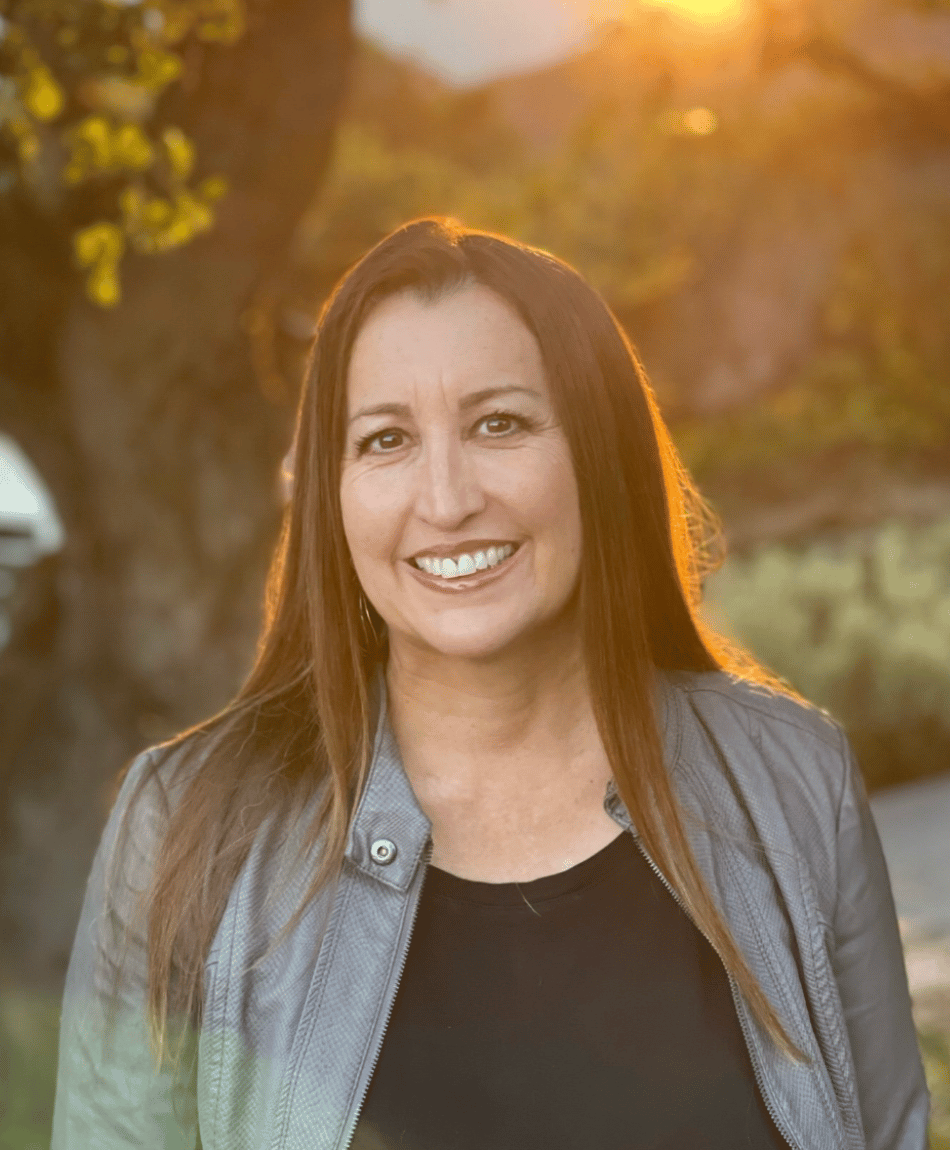
Expert IFS therapist serving San Diego
I'm not going to pretend Internal Family Systems therapy (or any form of psychotherapy, for that matter) is some magic, overnight cure-all. But here's what I've seen: when we stop fighting the parts of ourselves that we don't like, and start getting curious about them instead, everything shifts.
My own healing journey led me to IFS (yes, therapists need therapy too...and it actually helps us become better at what we do). After years of battling a harsh, a**hole inner critic, severe anxiety, hopelessness (courtesy of unresolved trauma), Internal Family Systems continues to help me make sense of my inner world - and find actual healing - in ways traditional talk therapy never could.
As a Licensed Marriage and Family Therapist (LMFT, or psychotherapist), I offer individual therapy and specialized care for smart, sensitive adults who want to find freedom and ease from anxiety, self-doubt, trauma, self-criticism, low self-worth and soul-crippling burnout. My trauma-informed care approach recognizes that true, lasting healing isn't just about managing symptoms—it's about understanding and becoming the person you truly are beneath all the pain and protective patterns. This is exactly where Internal Family Systems can help!
So whether you're an anxious thinker dealing with panic attacks...a sensitive feeler who learned early that love comes with conditions...a burned-out achiever mired in patterns that no longer serve you...or just feeling unfulfilled and stuck at your core, I'd love to meet you exactly where you're at - and help you get to where you want to be.
AS FEATURED IN


My approach to IFS therapy
Here's the paradox of this innovative therapy: instead of trying to eliminate the parts of you that feel uncomfortable or inconvenient, we learn to get curious about them. This sounds counterintuitive, because your inner critic...that anxious part...the part involved in relationship issues (and more)...can seem like they create a LOT of problems. They're probably what's bringing you to therapy in the first place!
Bringing curiosity to these parts doesn't mean resigning yourself to their pain or staying stuck in their patterns forever. It actually helps them soften, shift and transform into parts that feel helpful, not harmful. Sound impossible? That's exactly what most of my clients thought too — until they experienced it firsthand.
In Internal Family Systems (IFS) work, what we're really doing is understanding why these parts (or "sub-personalities") developed in the first place. That inner critic that's so harsh? It probably learned early on that perfection equals safety and approval. The part that panics in relationships? It might be protecting you from early emotional wounding that hasn't fully healed yet.
Exploring and witnessing your "parts" in this new way makes space for a something else to emerge: your true Self. This is the "you" that has always existed underneath all of the pain, trauma and self-limiting, negative beliefs. Your Self contains the qualities known as the "8 C's": calm, curiosity, compassion, clarity, courage, creativity, confidence and connectedness (and many more!). Like the sun that is always there even when obscured by the clouds, this "Self-energy" is accessible to you and can never be truly lost.
Re-connecting with this Self opens the door to heal the emotionally-wounded parts of you through a beautiful process called "unburdening." If you want even more details about the Internal Family Systems approach, check out this post.
How to get started
Step 1: Set up your free consultation
Let's have a real conversation about what's going on for you. This isn't a sales pitch—it's about making sure IFS therapy feels like the right fit for your healing journey. I want clients to feel genuinely confident they're in the right place before we begin any therapy work together. Reach out via my contact form!
Step 2: Start meaningful change
If we both think we could work well together, we'll begin by getting acquainted with your internal system of "parts": the thoughts, feelings and patterns that are bringing you to therapy. I won't throw you into the deep end—we'll build self-compassion and curiosity (the "Self energy" we talked about earlier) about your different parts before tackling the deeper therapeutic work. Therapy will always go at pace and rhythm that's right for you!
Step 3: Find relief that lasts
Internal Family Systems isn't a quick fix, and anyone promising rapid transformation denies the complexity and nuance of the deeper healing process. While real change takes time, the IFS process is impactful and many clients notice meaningful shifts in their well-being as we go along. You'll have my full support every step of the way as you and your internal system of parts find balance, renewal and liberation from emotional wounding and patterning.
Common reasons why people start IFS therapy
When another practice might be a better fit for your needs
My practice is intentionally small and specialized, which means I'm not always the right fit for everyone — and I think you deserve to know that upfront. Here's when another psychotherapist or setting might be a better match for where you are right now:
You're looking for in-person therapy
My practice is fully online, which works beautifully for many people — but if physically sitting across from someone in person feels important to you, I want you to have that.
You're navigating active addiction or need a higher level of care
If substance use is a primary concern, or if you're experiencing active suicidality, psychosis, Dissociative Identity Disorder (DID), schizophrenia, or eating disorders that require a higher level of treatment, a more specialized setting will serve you better than a private practice environment.
You're managing severe, treatment-resistant depression
If you're at a point where psychiatric intervention or medication management is the immediate priority, I'd encourage you to start there — psychotherapy works best when there's a stable enough foundation to build on.
You're looking for couples, family, or adolescent therapy
I work exclusively with individual adults. If you're seeking support for a young person or want to do relational work as a couple or family, I'm happy to point you toward someone who specializes in exactly that.
You want a super-structured, technique-focused approach
If you're looking for a strictly skills-based or protocol-driven model — like pure CBT with worksheets and homework — IFS probably isn't the right match. While Internal Family Systems does have it's own unique process, this work is relational, exploratory, and goes at your pace, not according to a rigid, predetermined curriculum.
You're not ready to make the investment
Quality, specialized therapy requires a real commitment — of time, energy, and yes, finances. If that's not where you are right now, that's completely okay. There are other options and resources that may be a better fit for your current life situation.
4 highly recommended IFS therapists serving San Diego
This list is not ranked and reflects psychotherapists who identify Internal Family Systems (IFS) as a core modality.

Esther Chau, LMFT
Esther works with clients who want to understand themselves more deeply and fully. She is a collaborative, compassionate guide who supports her clients' inner exploration and connection with parts of themselves that have been pushed away or ignored. She specializes in anxiety and relational trauma caused by painful relationships, stressful life changes, and family/cultural expectations. Esther can help you heal the parts of you that are burdened by painful beliefs and habits, and which may be attached to identities that are marginalized or rejected. Building new relationships with these parts of yourself and releasing their heavy burdens creates more healing, freedom, and choice in your life!
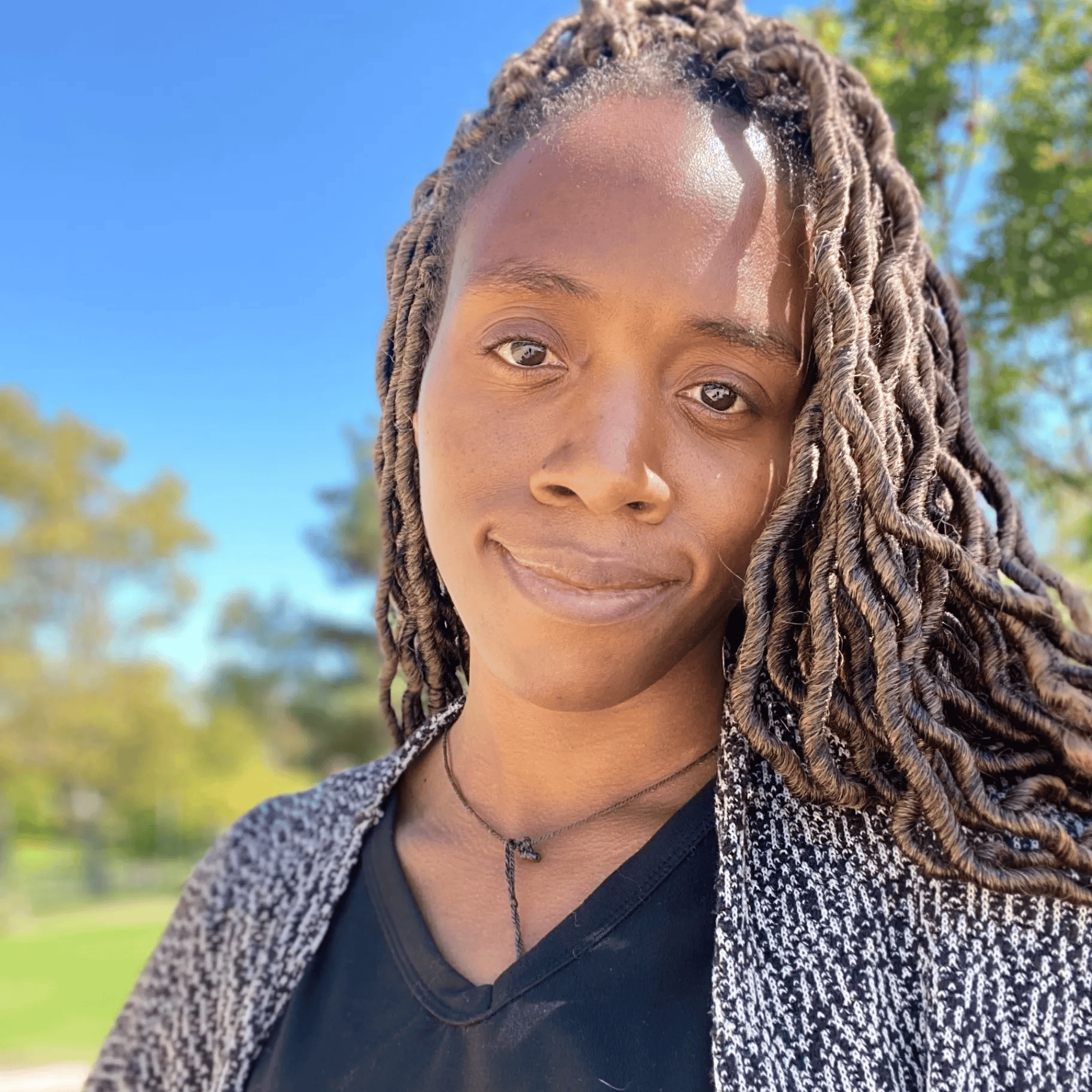
Chantal Wilson, LMFT
Chantal specializes in post-traumatic stress recovery for adult women across California. Founder of The Unburdened Sol, she uses Internal Family Systems (IFS) to help her clients heal from complex childhood trauma, emotional neglect, low self-esteem, anxiety, depression, and eating disorders. She has an authentic, relational approach—integrating DBT and mindfulness—that empowers you to build self-trust and move from a reactive to a responsive stance in life. Reach out to Chantal if you're ready to lead from your authentic Self!

Sand C. Chang, PhD. (they/them)
Sand is a Chinese American nonbinary psychologist and trainer. They have a private practice specializing in eating disorders, trauma recovery, and trans health. They are the co-founder of Queer and Trans Internal Family Systems (QTIFS) and a trainer with the IFS Institute, as well as author of All Parts Welcome: The Queer and Trans Internal Family Systems Workbook. Outside of their professional work, Sand is a dancer, avid foodie, and pug enthusiast.
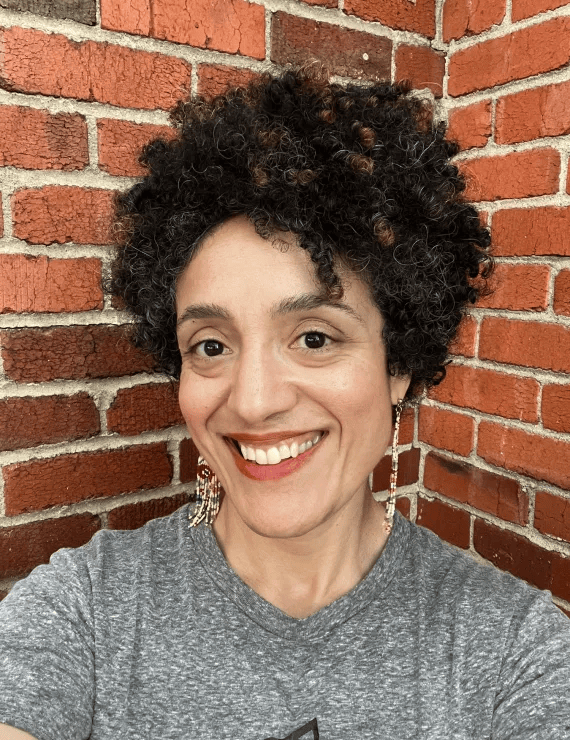
Shirin Shoai, LMFT
Ready for something different? Shirin offers somatically-informed, depth-oriented Internal Family Systems (IFS) psychotherapy to conscientious caregivers, successful creatives, and thoughtful professionals seeking mindfully-paced support for anxiety and burnout. When we’re struggling with anxiety or burnout, we can feel locked into exhausting patterns that are both familiar and yet not like “ourselves,” such as people-pleasing, overthinking, or self-doubt. IFS guides you through a relational process of root-level healing for the overburdened “parts” of you that drive these patterns—so that you can feel like your "Self" again. Shirin welcomes curious, reflective people to her practice, as well as psychotherapists seeking IFS consultation.
FAQs about IFS
-
While "success rate" is hard to quantify since outcomes depend on the person, who they're working with, and more — IFS has a real and growing evidence base:
A randomized controlled trial found IFS reduced pain, depression, and stress while improving self-compassion and physical function in patients with rheumatoid arthritis.
A pilot study found IFS worked just as well as CBT at reducing depression.
For people who've experienced trauma, research shows real gains in how people process what happened, regulate their emotions, and build self-compassion.
A 2025 analysis of the existing IFS research further confirmed IFS as a promising approach for depression, chronic pain, and trauma.
In my own experience, clients who engage genuinely with IFS and who are curious and open to the process tend to experience fundamental shifts that other therapies haven't provided. Not a guarantee, but a pattern I've witnessed consistently over the years.
-
Emotionally-Focused (EFT or EFIT) therapy focuses on "attachment patterns": how early relationships shape the way we connect — or struggle to connect — with others. IFS also works with attachment patterns, but in a different way. Rather than focusing solely on the relational dynamic between you and another person, IFS explores the parts of you that were shaped by those early relational experiences in the first place: the part that learned love comes with conditions, the part that shuts down when conflict arises, the part that's still bracing for rejection. Understanding those parts, helping them transform, and finding relief is what IFS is all about.
If fixing things with a partner is the main goal, EFT couples therapy may be a good fit — though it's worth knowing that IFS has its own couples model too, called IFIO (IFS-Informed Couples Therapy). If you're drawn to exploring attachment patterns in the context of your relationship with another person and want one-on-one therapy, EFIT may be of interest (but again, IFS can also address these same issues).
One key difference: IFS casts a wider net than either EFT or EFIT: anxiety, self-esteem, burnout, post-traumatic stress, body image — if any of those are part of what you're carrying, it's likely a strong fit. Many people also find the parts-based framing more accessible and actionable than an attachment-focused model. And honestly, many people find that the inner change that comes from doing their own individual IFS work naturally transforms their relationships!
-
Internal Family Systems is a process that builds gradually, each session laying groundwork for the next and going deeper than traditional talk therapy. This is not a "10 sessions and you're done" approach, which is what some people are looking for. That said, many clients feel meaningful shifts and significant relief as the work unfolds.
If you're looking for something more highly structured and directive — like Motivational Interviewing, Acceptance and Commitment Therapy (ACT), CBT, or a skills-based approach — IFS may not be the right match. While there are specific phases in the IFS process, there's no predetermined, manualized curriculum, per se. Instead, the work is collaborative, mindfulness-based, and tailored to you, which tends to produce more foundational change than a one-size-fits-all approach.
IFS does ask you to slow down and turn inward, but here's the thing: if you're someone who tends to just push through or live in your head, IFS doesn't fight that. It gets curious about those intellectualizing and "pushing through" parts too, meeting you exactly where you're at. The beauty of IFS is that you can learn in a firsthand, experiential way that turning inward feels a lot less scary than you expected - and actually liberating as your inner parts find compassion and release what they've been carrying.
Still unsure? A free consultation gives you a chance to figure out whether this is the right fit before you commit to anything.
Start IFS therapy in San Diego today
If you've made it this far, something in you is already curious — and in IFS, curiosity is exactly where everything begins.
This work is built around one core belief: that every part of you - the anxious, the self-critical, the angry parts, and so many more - are actually trying to keep you from re-experiencing the deeper emotions of shame, worthlessness and devastation held by what are known as your "exiled" parts). Unfortunately, the paradoxically-name "protector parts" of excessive worry, self-criticism, etc., end up causing even more pain. This keeps you stuck in a loop of repeating patterns, negative self-beliefs, and chronic unhappiness and worry.
Internal Family Systems therapy offers a way out of this cycle, and into a life where you can live from your compassionate, authentic Self. This is about building a real relationship with the parts of yourself that are hurting or causing you distress, and helping them "unburden" so that you can experience balance, ease, and a genuine sense of coming home to who you truly are. As an IFS therapist serving San Diego and the rest of California through online therapy, I work with smart, sensitive adults who are done with surface-level fixes and ready to go deeper.
If that resonates, I'd love to connect. Reach out, let's talk and figure out together whether I might be the right fit for you.