
Sacramento Brainspotting Therapy
Take your healing to the next level with Brainspotting
You might be insightful, capable, and functioning well on the outside—yet still find yourself stuck in anxiety, emotional overwhelm, or patterns that don’t seem to shift through talking alone.
When that happens, approaches that help shift reactions that don’t change through talking alone can make a meaningful difference. Brainspotting can be a powerful addition when insight alone hasn’t been enough. My work is grounded in Internal Family Systems (IFS), with Brainspotting woven in thoughtfully and as appropriate, to support healing and emotional processing in both the brain and body at a pace that is manageable and avoids overwhelm or re-traumatization. I offer an individualized, supportive approach for adults in Sacramento, CA who want real change without being pushed or rushed.
This approach to Brainspotting Sacramento clients seek is designed to move beyond mere symptom relief and toward profound emotional healing, sustainable personal growth, and increased resilience over time.
If you're looking for something deeper than traditional talk therapy, we can explore whether this approach feels right for you.

Meet Elisa Martínez, LMFT
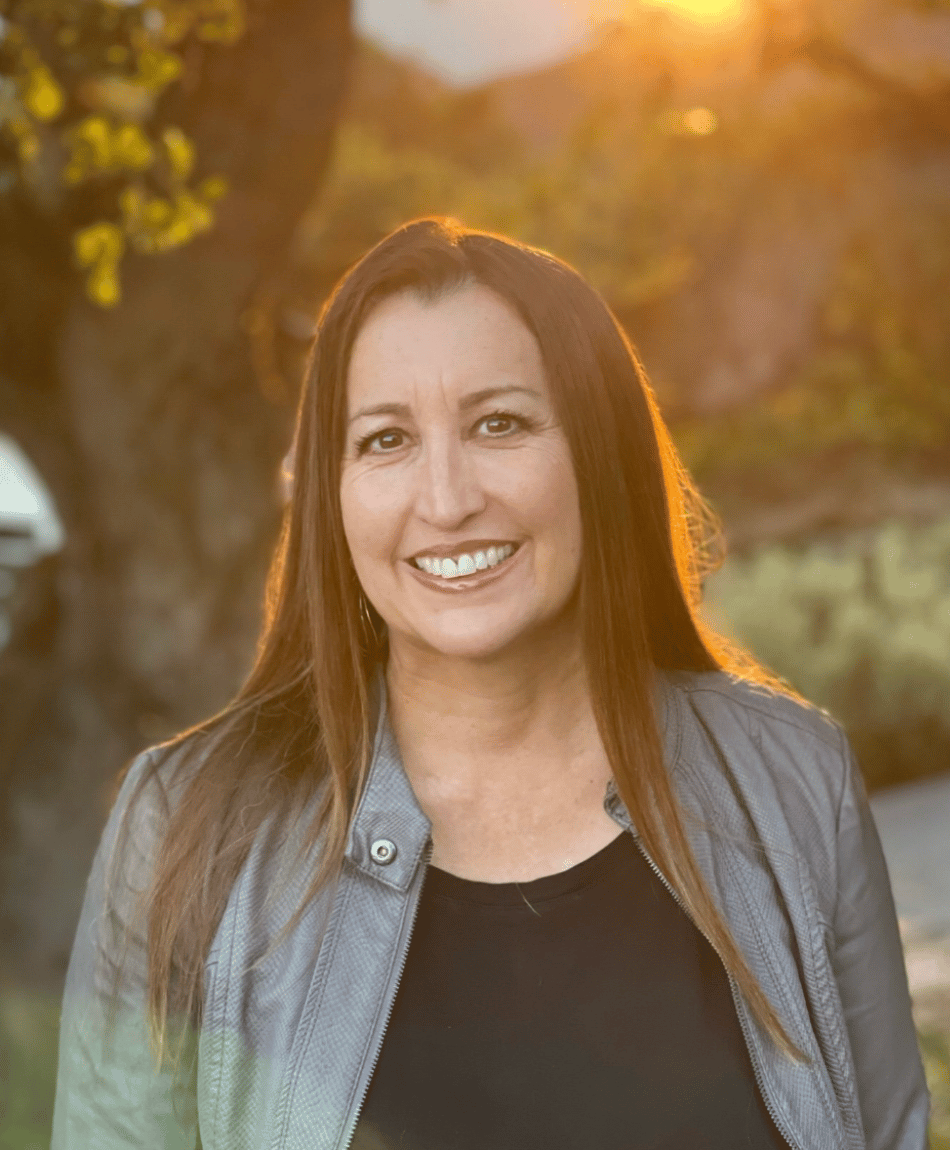
Brainspotting therapist serving Sacramento, CA
I’m Elisa Martínez, LMFT, a licensed psychotherapist serving adults in Sacramento, CA and throughout California, offering Brainspotting therapy and Internal Family Systems (IFS) trauma treatment. I specialize in working with high-functioning individuals struggling with anxiety, trauma, OCD patterns, and deep challenges around self-worth, people-pleasing, and burning themselves out.
I came to this work not only through my extensive training, but because I know what it’s like to hold a lot together on the outside while carrying more than most people see. I’ve done my own work, and I approach yours with understanding, non-judgment and a deep respect.
While IFS is the foundation of how I work with clients, I’m also trained in this approach as developed by David Grand, as well as somatic experiencing principles drawn from body-based trauma work. These somatic experiencing influences inform how I pay attention to subtle shifts in the nervous system during sessions. My training in evidence-based, trauma-informed modalities allows me to integrate them into the therapeutic process as appropriate.
I believe effective psychotherapy is relational, paced, and responsive to each person’s unique lived experience and inner world —not driven by a "one-size-fits-all" approach. I approach this work with steadiness, curiosity, and respect for your pace.
Credentials: CA Licensed Marriage & Family Therapist (LMFT) 9869; SC Telehealth Provider 1093
Clientele: Anxious thinkers, insecure achievers, and sensitive feelers who do well in their outer lives but struggle with trauma, anxiety, OCD, burnout, and feeling like they're not enough. Many are the dependable ones in their relationships, yet internally carry pressure, self-doubt, or a persistent sense of over-responsibility.
Location: Sacramento, CA (via online sessions)
Virtual therapy?: Yes (California and South Carolina residents)
AS FEATURED IN


FAQs about Brainspotting
-
Brainspotting is a psychotherapy approach that focuses on healing trauma via the connection between eye position, the nervous system, and emotional experience. The idea is that where we look can influence how the brain processes unresolved experiences from past trauma or traumatic memories. In Brainspotting, we say that "where you look affects how you feel." Rather than analyzing events in detail, as in traditional therapy, this approach emphasizes mindful awareness and helping your system slow down so emotions can be processed without overwhelm. This can be especially helpful when emotional dysregulation shows up as fear, shutdown, or reactivity that is hard to calm once it starts.
It can be particularly useful when strong reactions or long-standing patterns continue to surface, despite having the insight and self-awareness that is often gained through traditional talk psychotherapy. In my work, Brainspotting is integrated thoughtfully within an Internal Family Systems (IFS) framework, allowing deeper material to be approached with steadiness and care.
-
A Brainspotting therapy session typically involves identifying a point in your field of vision — sometimes referred to as a "brain spot" - that feels connected to a specific emotional or physical sensation (which often is connected to a "triggering" life situation or previous experience). These potent brain spots can help you therapeutically work through experiences that haven't shifted just by talking about them or understanding them logically. Different brain spots may hold different layers of experience, and the work is collaborative and highly individualized to address these unique layers.
In session, the therapist supports you in staying grounded in the present while gently noticing internal sensations - thoughts, feelings, body sensations - as they unfold in real time. You may choose to talk about what's coming up for you as you are focused on a brain spot, or to simply be silent as you allow your thoughts, emotions and somatic sensations to arise. Sessions are paced carefully, with frequent check-ins so you don't feel pushed past your comfort level. Many clients find this work to be ultimately quite liberating and freeing mentally and emotionally.
I use a "resource approach," which emphasizes first a spot that connects you with a steady calm, groundedness or openness in your body. This provides a safe, anchored starting point that helps you stay with what’s coming up during processing without feeling overwhelmed.
Outside of psychotherapy sessions, this structured yet flexible healing process helps build resilience and strengthens your ability to stay present with difficult experiences without spinning out and becoming emotionally overloaded. Over time, this resilience is strengthened not only in sessions, but in your relationships, work, and daily life. For many, this steady integration creates the conditions for profound healing and deeper stability. It can become a transformative journey that allows you to show up in your life the way you want to.
-
Sometimes what brings someone here isn’t a dramatic event — it’s a pattern that won’t shift. Certain situations activate strong reactions. Old dynamics show up in new relationships. You may notice recurring triggers that don’t fully make sense, even after years of insight-based psychotherapy.
Many of the people I see are capable and responsible — often the steady one in their family, workplace, or friendships — yet internally carrying pressure, self-doubt, or an ongoing sense of over-responsibility. They tend to function well outwardly while feeling something unresolved beneath the surface. If that sounds familiar, you’re not alone — and you don’t have to keep carrying it by yourself. For many, addressing that deeper layer becomes a transformative journey rather than a short-term fix.
In my work, Internal Family Systems (IFS) provides the foundation. We identify "protective parts", understand what they’re trying to prevent, and create more space between you and the reactions that take over. That space often allows for greater self compassion and steadiness over time. Whether you are experiencing unresolved trauma, anxiety, chronic stress, or emotional blocks that feel difficult to access through talk therapy alone, integrating Brainspotting can be helpful.
It can also be supportive for those navigating grief, depression, panic, or other mental health challenges that impact daily life and relationships. This may include experiences of previous abuse — whether subtle and relational or more overt — that continue to shape how you react in the present. If you're exploring PTSD therapy options, I offer a paced, relational and "you-centered" approach that tends to the deep emotional wounds that are still active beneath the surface.
A complimentary consultation can help you determine whether we’re a good fit and clarify what you’re dealing with. If you decide to begin, together we'll explore the approach that best aligns with your current reality and with what you'd like to get out of the psychotherapy process.
-
Brainspotting therapy isn’t necessarily the right approach for everyone. For some people, focusing inward on traumatic memories or distressing experiences can bring up intense emotions or physical reactions too quickly, especially without enough preparation or support. This is why it is crucial to work with a skilled therapist who knows the ins and outs of working with unprocessed experiences that still affect you.
Brainspotting treatment may also be less helpful for clients who need more structure, pacing, or time to build stability before working with deeper material. In those cases, creating a safe space within a nurturing environment and building that stability first can make the overall healing process much more effective. When paced well, the healing process can unfold in a way that feels steady rather than overwhelming. It's one of the reasons why my trauma healing work is grounded in highly-individualized Internal Family Systems (IFS), with resource-based Brainspotting used selectively when it supports our work together.
If you’re looking for a safe space to explore deeper patterns, we can begin with a conversation to help determine whether this approach is the best fit for you.
-
This approach and EMDR (Eye Movement Desensitization and Reprocessing) are both considered cutting edge therapy approaches used in mental health care to help process difficult experiences, traumatic memories and negative emotions. EMDR follows a more structured protocol based on bilateral stimulation, while Brainspotting works more flexibly with visual gaze points and focused awareness.
My work is grounded in Internal Family Systems (IFS), and I’m trained in both EMDR and Brainspotting, which I integrate mindfully when clinically appropriate. Over time, this can become a transformative journey that prioritizes lasting change, not just short-term relief. In some cases, this work may also be used alongside treatments such as ketamine assisted psychotherapy. Ongoing research within the mental health field continues to examine how different processing methods — IFS, somatic experiencing, EMDR, Brainspotting, etc. — can move beyond merely targeting symptoms and foster sustained resilience and long-term personal growth for clients navigating emotional patterns that keep repeating.
It's okay if you're not sure which approach might fit your own healing journey. Whether you're struggling with chronic worry, grief, depression, panic, or self esteem issues—let's get your questions answered in a free consultation.
-
Absolutely! In my work with clients, Brainspotting is often integrated within a broader framework rather than used in isolation. For example, principles from somatic experiencing may inform how we track subtle shifts in the body and nervous system during sessions. I often creatively combine Internal Family Systems (IFS) with Brainspotting to bring the best of each approach to the work. In some cases, it may be coordinated with treatments such as ketamine assisted psychotherapy, depending on individual goals and clinical considerations. The aim is not intensity, but integration — strengthening resilience and fostering meaningful personal growth over time. Different approaches can complement one another when thoughtfully applied, creating a steady, individualized path forward.
Start Brainspotting in Sacramento today
If you’re ready to explore whether my unique approach fits you, let's schedule a brief consultation call. I look forward to connecting!